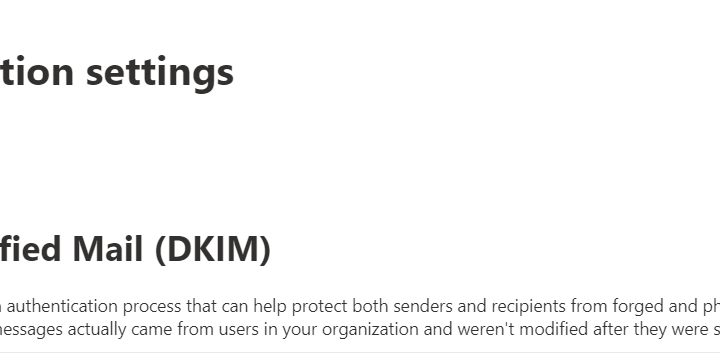
Microsoft Exchange – how to update your SPF, DKIM and DMARC records
If you’re domain is using the Microsoft 365 email – otherwise known as MS Exchange – it’s likely you will…
















Whether you need a full new site creating or you simply need your current site refreshing, get in touch. Our services include new content, website fixes, updates, redesign, and security audits.
Read more...
Good quality content is key to a successful website, social media channel, & marketing activities. Let us create the content for you.
Read more...

Social media for business can provide an amazing ROI, find new customers and support your other business activities. We'll create your strategy, create the content, and provide ongoing social media management.
Read more...

We provide the highest quality search engine optimisation (SEO) at a fraction of the price you'd pay to the big, expensive SEO agencies. Let's get your site to page 1.
Read more...

Seven Creative is your one-stop-shop for everything WordPress. We provide the full range of services from new WordPress website development to ongoing maintenance and everything in-between.
Read more...
Have your site hosted locally for the best SEO benefits with great customer service. Hourly rolling back-ups & free migration at a fraction of the costs some companies charge.
Read more...
Janet, Janet Wass Jewellery DesignI approached Seven Creative after I experienced difficulties with my existing website. They offered fantastic help and advice - going above and beyond what I would ever have expected. Because of this, I decided that I would have my website rewritten by them. I can honestly say that it was a decision I have never regretted - I now have a website that I looks completely professional, that is easy to navigate around, and that I can completely content manage myself. I am absolutely thrilled with it!
Chris is completely professional and obviously work extremely hard to produce websites that are tailored to their clients’ needs. I am so impressed with the speed they created my website and how approachable and understanding they were. They fully explained technical issues in a way that I could understand and responded instantly to my requests for modifications – actually, I saw the site change whilst I was on the phone making the requests - that really is great service!
I am now really proud of my website and have Seven Creative to thank for this – I think it goes without saying that I would wholeheartedly recommend their service!

Natasha, The Designer Toilet Roll CompanyI have evident proof that when my website launched within two weeks I had to go to a higher hosting package because of the volume of traffic looking at my website!! Sheer Madness! And its not only your website they can help you with but its your point of sale material. The complete package that you are offered is undeniably the best. I now have quality (forget vista print these guys know what they are doing), leaflets, business cards etc etc…
Seven Creative actually do go that extra mile - they professionally and personally encourage you and want your business to succeed. I now know that I can compete against the Big Boys in my field of business because I have in my back pocket – the golden goose of the Internet – Seven Creative.
An old phrase but very true...NICE PEOPLE TO DO BUSINESS WITH
Julie, Dunston Lodge / Resourceful ResearchThe service, the finished work, as well as the ongoing support have all been first class on every occasion. The work has been very reasonably priced for the professional designs we have received. You have been very flexible and thorough; taking on board our suggestions, but also advising us well when things we've thought of won't work in practice, and going out of your way to see each job through.
I'm sure we'll be making further use of your services again soon, as our business develops, and will have no hesitation in recommending you to others.
Virginia, Golding Diversity TrainingSeven creative had previously designed a logo as part of the re-branding for my business, because of my positive experience it only seemed natural for me to work with them to design a new website. Chris was very knowledgeable about the features that were required on the site to make it the most effective. She was very flexible in her approach; came up with lots of ideas; was honest about what would not work and worked towards the deadline I had. Training was provided in how to use the content management system, which I thought would go straight over my head, but to my delight it didn't and I have since updated the website all one my own - what an achievement for me!
I had a few enquiries about my services soon after the new website went live and when asked they said that they had found me through searching the web and that they liked the look of my website. I would highly recommend Seven createive without hesitation!
Terry Chipp, ArtistHaving my website designed by Seven Creative has to rank as one of the best decisions I’ve made this year. When a friend’s recommended designer disappeared I had to trawl through lots of designers’ portfolios to find an alternative. I chose Seven Creative because they had several examples of the clear, crisp style that I wanted to present. I phoned them up with a few features that I knew I wanted, some general ideas about the ‘look’ of the site and a limited budget.
Their response was excellent! Through many conversations with them I felt involved in the design of my site. In the background, meanwhile, they were busily installing management and statistics features that I’d never thought of but which have proved very useful. They even kept an eye on my site to patch up my early updating attempts. I feel the site works really well and being able to direct people towards it, either personally or through publicity material, has helped greatly in developing my business this year. Significantly, I get a lot of very positive comments about the site often followed by Who designed it?. It’s a site to be proud of.
Gail, Liquorice ClothingI had previously made my own website and had started receiving e-mails from customers so I decided that it was time for a professional website. Seven Creative were wonderful and recommended designs and layouts for me. I am usually a very choosy person and like things exactly as I want but the recommendations from them were spot on and I couldn't have chosen a better layout. Whenever I have thought of new things to put on, they have dealt with them quickly and efficiently.
My website is now bringing in customers from all over the country!
Gail, Shabby ChicI used Seven Creative to build me a modern looking chic website and that is exactly what I got. I am new to the internet selling ways and wanted something simple and manageable myself. I didn't even meet the designers in person, we liaised over the net and the telephone and I sent some photo's by post. The fact that I am In Lancaster and they are in Sheffield mattered not. On completion of the site I met the team to have a short lesson on the system and they also showed me how to edit and update the site myself. That is of great use to me to be self sufficient and keep my clients updated of all new products and offers without having to pester the designers. Since day one I have been having regular hits to the site.I would also say how very reasonable the cost was and how professional the team was at producing my perfect website. Check my site out to see for yourself. When I am a self made millionaire (ha ha) it will be with thanks to Seven Creative.
Kevin, Westside SecurityOur business was started only recently. One of our primary concerns was marketing and one of the companies we contacted regarding web sites was Seven Creative. Their prompt attention ,enthusiasm and expertise enabled the site to be up and running within weeks. The site is eye-catching ,informative and easy to follow. needless to say we are delighted and would not hesitate to recommend Seven Creative to anyone looking either for a new website or to increasing the effectiveness of an under-performing site.
Chris, Yorkshire RecruitmentUpon relocation from London to Yorkshire I decided to set up my own online recruitment business specializing in Technical and Construction Engineering Recruitment. I felt that my new business would need a website. I contracted Seven Creative to provide this service. The website provided was easy to read visually and designed to high standards. I consider my website to be a credit to my business and therefore would have no hesitation in recommending Seven Creative.
Lynda, The Lavender BarnHaving been impressed by viewing other sites designed by Seven Creative I contacted them for a quote and to my delight received a service that was both personal and professional, a rare combination in business!
I was kept fully informed at every stage and any changes I made were never a problem, I cannot put a value on how happy I am with the site and the results it instantly produced, I would have no hesitation in recommending Seven Creative to anyone looking for a service that is second to none along with adding value to any sized business.
Susan, Lifechange TherapySeven Creative listened carefully and came up with the perfect design for my website and it was all done so quickly and smoothly, just as I wanted, with the minimum of effort from myself. They have happily done all I asked of them, including a brochure and business card design as well as a fantastic website. I have had lots of nice comments about my website including a friend who said 'it's so you!', and that was the aim. I am more than happy to recommend Seven Creative for their friendly, approachable, professional service.
Delia, Campervan Cookie CoAs a small business setting up an online shop for the first time, I found Seven Creative’s input invaluable. What I appreciated most was the time taken to really understand my business and what it needed from its website during our initial discussions. This resulted in a great website that ticked every box and has vastly increased the business’ turnover and efficiency – not to mention the many positive comments we get from our customers! The one-to-one training was excellent and ongoing support second-to-none – including coming up with an affordable solution to a pre-existing web hosting problem and organising a speedy transition to the new host company.
Mark, Church Mill EngineeringSeven Creative provided us with a website that we can amend ourselves. They also wrote the content for all the pages, including some very specialised ones, which freed our time up to concentrate on the business. We were really impressed with the quality of service and attention to detail and would gladly recommend Seven Creative to other companies.
Ken, Kenneth Hudson InteriorsAn existing client of Seven Creative recommended that I use Seven Creative to design a website and logo for my business. Chris was extremely quick in designing several logos that he thought would compliment my interiors business and promptly made any alterations that where necessary. He also went on to design letter-heads and business cards. Needless to say, we are more than pleased with the end results. After many conversations with Chris about the design of my site, I was very impressed with her knowledge. It was great to know that when I had sent her my content and images , Chris would produce a professional and contemporary looking website. Having worked with Chris, I would have no hesitation in recommending Seven Creative. In fact, I have done so already! Many thanks for all your hard work.
If you’re domain is using the Microsoft 365 email – otherwise known as MS Exchange – it’s likely you will…

Like many of us I've been experimenting with generative AI images. The Photoshop version requires a prompt, and within a…
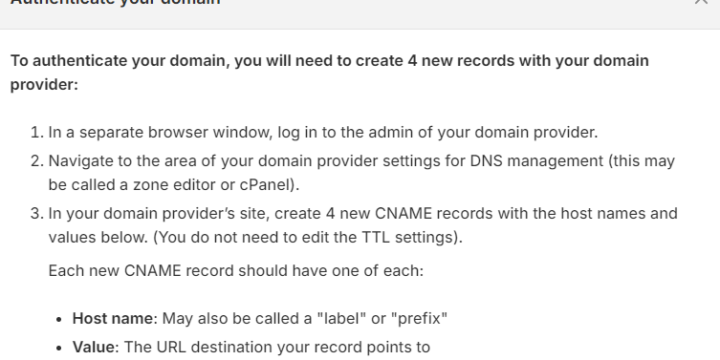
If you're using Shopify and sending emails from your own domain email address, you may have received an email telling…
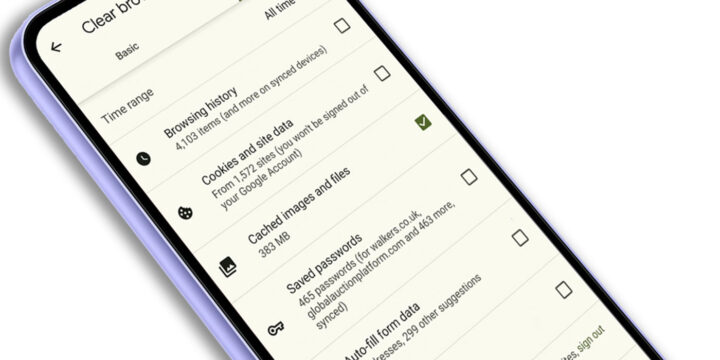
What is a Browser Cache or Web Cache? A browser cache, sometimes called a web cache, is like a temporary…
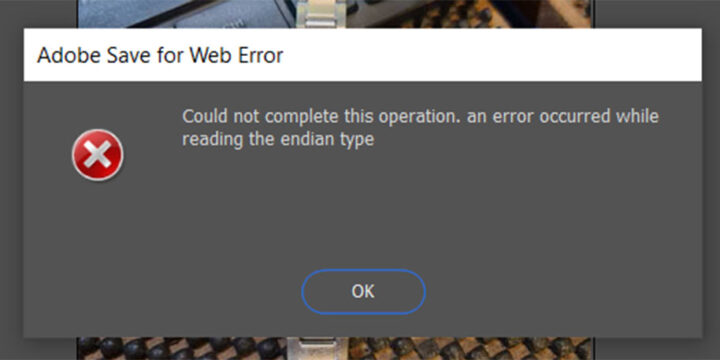
WebP is a modern digital image format developed by Google that offers significant advantages over traditional formats like JPEG and…
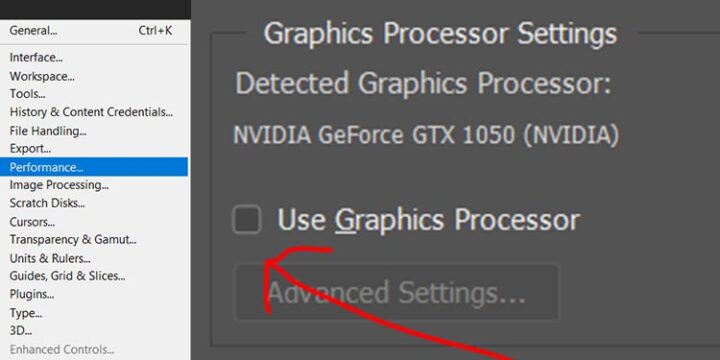
I currently use Photoshop on my HP Intel i7, GEFORCE GTX laptop (relevant), however, it would almost always crash or…
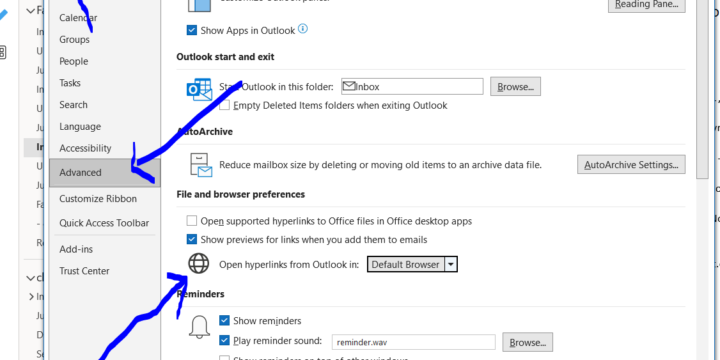
When you click a link in an email using Windows Outlook (desktop app), by default it opens in a browser…

You know when you just want some dummy text for your website or app, but every link you click on…
If you'd like to request a quote or find out more about any of our services, please fill out the form or give us a call. Text or WhatsApp 07930 944 001